
How PayPal works at online casinos for Australian players — the mechanics, the rules and the blocked sites
Anyone searching for an online casino that takes PayPal in Australia is, by definition, looking at offshore sites — and offshore sites sit on the wrong side of the Interactive Gambling Act 2001. The wallet itself is one of the most tightly regulated financial products in the country, with its own reporting duties to AUSTRAC. The page below is written for that reader: it lays out how a PayPal deposit at one of these brands actually behaves, what the wallet’s Acceptable Use Policy permits, how the regulator’s blocking list has grown, and what each of the eleven brands the ACMA has warned looks like on its own terms.
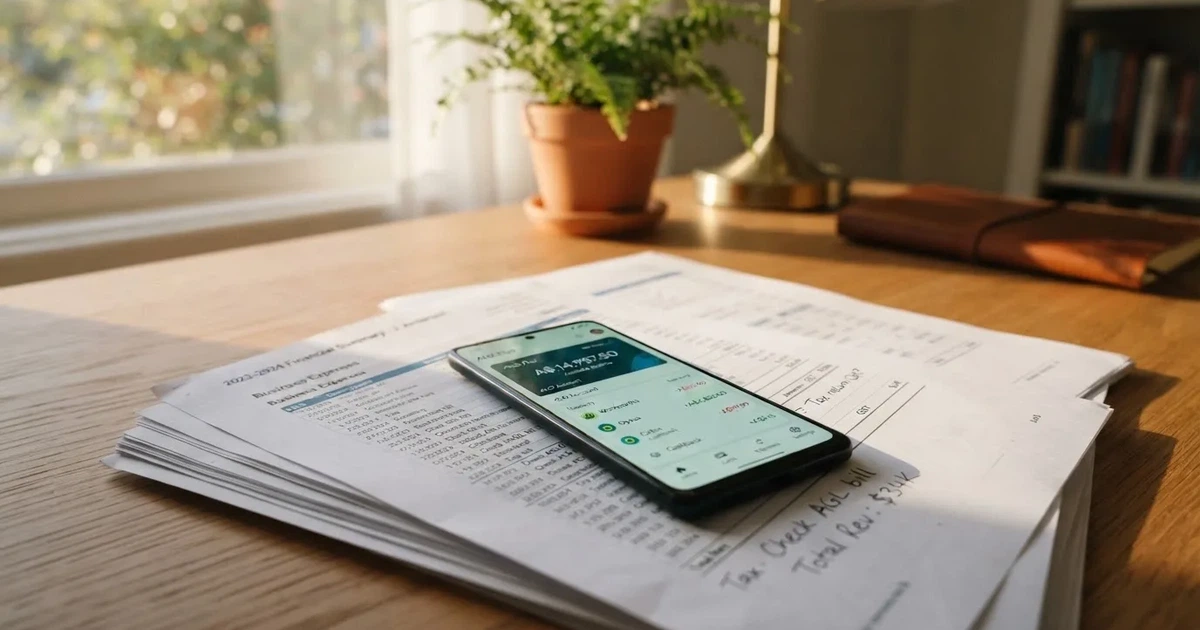
Data current as of 12 November 2026 · verified against ACMA formal-warning publications, AUSTRAC enforceable undertakings, the Reserve Bank of Australia’s card-surcharge review and PayPal Australia’s Acceptable Use Policy.
Table of Contents
- Settling money in: how a PayPal deposit at an offshore casino actually moves
- Withdrawal speed and the wallet’s review queue
- Where PayPal itself stops the payment
- Legal frame: what Australia actually prohibits
- Credit-card and digital-wallet rules at licensed wagering services
- What offshore brands do with a PayPal deposit once it lands
- BetStop and where responsible-gambling support applies
- The blocking record: how the regulator has been working through the offshore list
- Calculating how fast the regulator has been adding to the block list
- The eleven brands the ACMA has formally warned
- What a player should actually carry away from this register
- Tax and what a recreational player reports
- The New Payments Platform and what it changes for an Australian-funded cashier
- What the page is for, and what it is not
- Verdict: where this leaves a PayPal-funded Australian casino player
- FAQ
Settling money in: how a PayPal deposit at an offshore casino actually moves
The mechanics of a PayPal deposit at a casino site are not exotic. From the cashier, the player chooses PayPal, types in an amount, and gets bounced to the wallet to confirm. Behind that screen sits a payment processor — most commonly a fintech intermediary, sometimes a direct merchant agreement — and behind the processor sits the wallet’s own decision about whether to release the funds. A PayPal-funded deposit that gets accepted by the cashier is not the same thing as one that PayPal itself has sanctioned: the wallet’s Australian Acceptable Use Policy lists gambling transactions only “if the operator and customers are located exclusively in jurisdictions where such activities are permitted by law”, and the activity the wallet names — casino games, sports betting, fantasy sports, lottery tickets — is the activity every site on the ACMA’s books has been formally warned for offering to Australians. What a player meets, then, is a queue of three separate gates: the casino’s cashier, the merchant processor, and the wallet’s own policy filter. The first of those decides whether the brand accepts the deposit, the second decides whether the rail from PayPal to that brand stays open, and the third decides whether the wallet itself blocks the charge.

The smallest deposit these brands will accept is usually A$10. A handful drop to A$5 or even A$2 on specific promotions, but A$10 is the figure most cashier pages print as the floor. PayPal does not impose its own minimum on a transfer — the limit comes from the merchant. The smallest deposit that actually settles, however, is rarely the smallest one the cashier accepts, because the merchant processor and the wallet will each run their own pre-checks. A first-time deposit from a new device, a wallet that has not held Australian dollars before, or a card funding the wallet from a fresh issuer is the kind of input those systems decline on the first pass. A rejected deposit does not arrive at all; it bounces back to the funding source within minutes.
Funding the wallet itself is the step a player controls. A PayPal balance built up from earlier transfers, a linked debit card, a linked bank account via PayID or Osko, or a sale on a marketplace platform can each top up the balance that the casino deposit will be drawn from. The wallet treats each funding source as a separate string of trust: bank-account-funded transfers are the cheapest but the slowest to clear on first use, debit cards are the most reliable at the cashier, and credit cards are blocked from use at licensed Australian online wagering services since 11 June 2024. That ban is about the wagering side, not the wallet — PayPal itself does not refuse a credit-card-funded transfer — but a card funding a wallet that pays a casino is, in spirit, the path the law closes.
Withdrawal speed and the wallet’s review queue
A PayPal deposit at an offshore casino usually clears in a few seconds. A PayPal withdrawal back to the same wallet is where the time goes, because the casino’s own internal review sits in front of any release. The brand has to check the account, the bonus terms if a bonus was claimed, the source of funds that funded the deposit, and any identity document the casino requires under anti-money-laundering rules. That queue is what the casino calls its “pending period” — typically 24 to 72 hours for a verified account on its first withdrawal, often shorter on repeat withdrawals, and not infrequently longer if the cashier flags a mismatch.
Once the casino approves the withdrawal, the wallet’s own settlement is fast. PayPal credits the balance within seconds; from there, the funds leave the wallet by the route the player chooses. A transfer to an Australian bank account via PayID/Osko takes under a minute where the receiving institution is one of the more than 100 on the New Payments Platform, and is available 24/7 including weekends. A withdrawal back to a linked debit card typically takes one to three business days, depending on the card issuer’s own processing window.
What slows the whole route is rarely the wallet. The wallet’s transfer is the fastest leg of the chain, and the casino’s pending period is the slowest. A player who has not completed the brand’s identity check — what the cashier calls KYC — can expect the pending period to stretch, and an offshore brand has no Australian regulator to escalate a stalled payout to. The AUSTRAC regime that sits over the wallet does not extend a dispute mechanism to the merchant side; it imposes reporting and remediation duties on PayPal itself. A casino that refuses to release funds is, for the player, an offshore dispute with no Australian forum.
Where PayPal itself stops the payment
A PayPal-funded casino deposit can fail at any of three points. The cashier can refuse the brand’s terms — minimum deposit, currency mismatch, country block. The merchant processor can refuse the rail — a card-rail casino that has not been onboarded by PayPal’s payment service provider will simply not present PayPal as an option. Or the wallet’s own filter can decline the transaction on policy grounds, which is what happens when the wallet applies its Acceptable Use Policy to a transaction that names casino games as the merchant category. The third of those is the most opaque from the player’s side: a declined deposit from PayPal arrives back at the funding source within minutes, and the wallet does not necessarily explain the reason beyond a line of policy boilerplate.
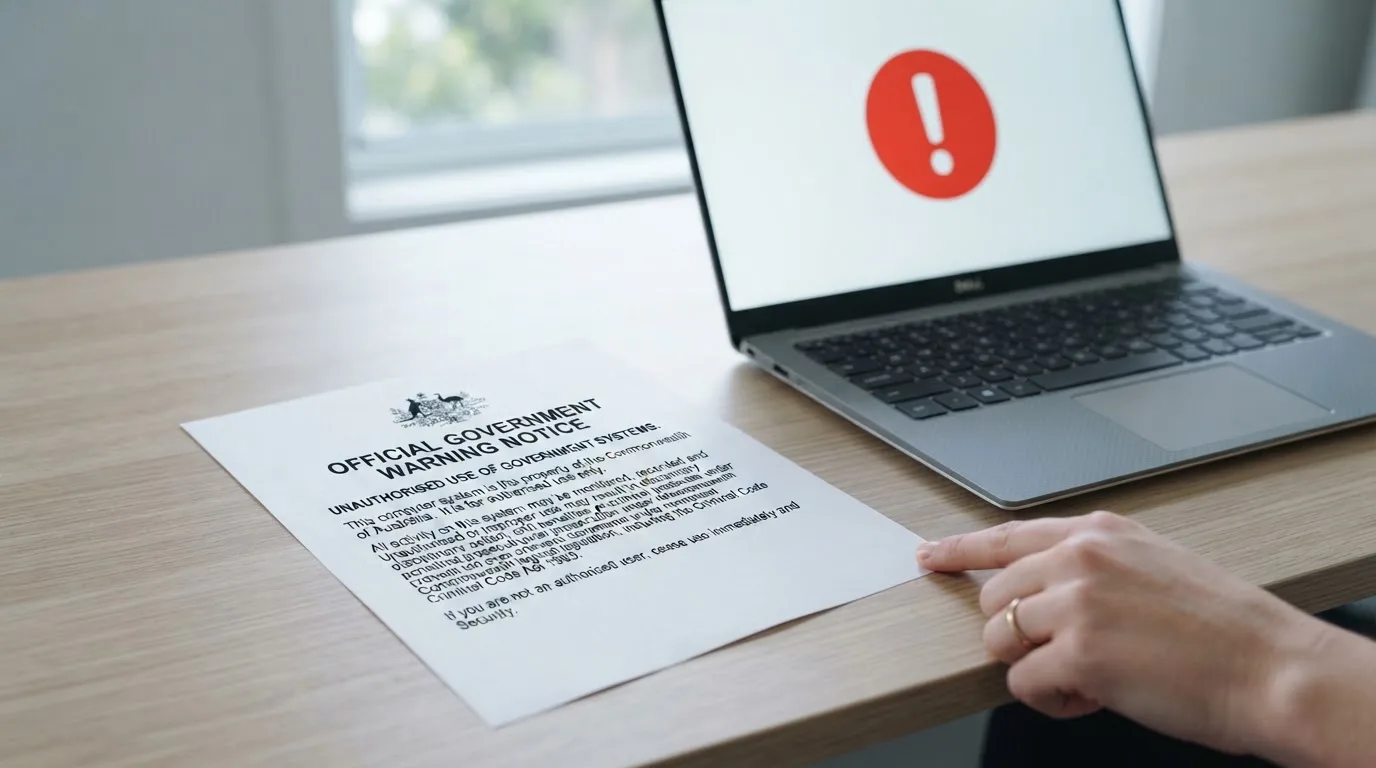
PayPal is one of a small number of operators classified as a reporting entity under Australia’s anti-money-laundering and counter-terrorism-financing regime. That classification places the wallet in the same AUSTRAC-regulated population as banks, casinos, remittance providers and digital-currency exchanges. As a reporting entity, PayPal Australia is required to submit an international funds transfer instruction report to AUSTRAC within ten business days of any cross-border transfer it processes. The classification is the reason the wallet is subject to AUSTRAC’s enforceable-undertaking powers — and it is the mechanism behind an enforceable undertaking AUSTRAC accepted from PayPal Australia over shortcomings in its international funds transfer systems, an undertaking that was later finalised after a two-year remediation plan. The remediation is closed; the reporting duty continues.
Legal frame: what Australia actually prohibits
The Interactive Gambling Act 2001, strengthened by the Interactive Gambling Amendment Act 2017, makes it an offence to provide online casino games, online pokies or in-play betting to a person in Australia. No state or territory licenses those products. What the regime does license — wagering on races and sport placed before the event, lotteries, keno — is, in practice, regulated by the Northern Territory Racing and Wagering Commission, which oversees 52 of Australia’s online bookmakers, including the larger operators in the market. The Commission meets once a month in Darwin and has no full-time staff, a structure that has drawn public attention. The point that matters for a casino searcher is that the products an online casino site sells — the slots, the table games, the live-dealer lobbies — are not licensed anywhere in Australia, regardless of what licence a site displays in its footer.
The Interactive Gambling Amendment (Gambling Reform) Bill 2026 passed Parliament on 19 August 2026 and brings new advertising and inducement measures that commence on 1 January 2027. On a page written in the current year, that is law with a start date — passed but not yet in force. It does not change the underlying prohibition on providing online casino games; it adds to the inducement controls around what is already prohibited.
Enforcement sits with the ACMA. The Authority investigates, issues formal warnings, and directs Australian internet service providers to block illegal sites. The individual player is not the target of prosecution — the IGA aims at the provider — but an offshore site gives no Australian consumer protection, no complaints forum, and no recourse if a withdrawal stalls, and a balance can be stranded on a brand that has been blocked at the network level.
Credit-card and digital-wallet rules at licensed wagering services
Since 11 June 2024, Australian-licensed online wagering services have not been permitted to accept payment by credit card or other credit-related products. The rule extends, in spirit, to digital wallets that pull from a credit line: an Apple Pay wallet funded from a credit card is treated as the same funding source for the cashier’s purposes. The block applies at licensed Australian wagering services only — it does not extend the legal force of the prohibition onto an offshore casino, which is outside Australian jurisdiction in the first place.
What is permitted at a licensed wagering service is a closed list of rails. Debit card, bank transfer, PayID/Osko and BPAY are the routes the regulator considers acceptable for credit-bearing accounts. PayID shows the name of the receiving account before a transfer is sent, a feature Australia’s New Payments Platform added specifically to deter misdirected payments, and the platform itself warns that being asked to transfer to a PayID on an illegal gambling site almost certainly means a scam site. PayID’s instant transfers run 24/7 and arrive in under a minute between participating institutions.
Card-rail gambling blocks at the bank level reinforce the cashier-level prohibition. Westpac’s gambling block works at the card level: it refuses authorisation of any transaction registered under the merchant category code for betting and casino gambling on eligible personal credit and debit cards. ANZ’s block, activated through the ANZ app, extends to digital-wallet transactions — an Apple Pay purchase funded from an eligible ANZ card is caught by the same rule. Removing the ANZ block requires a 48-hour cooling-off period, and the bank is explicit that the block is best-effort: not every gambling transaction will be blocked, and some non-gambling transactions may be blocked in error.
The Reserve Bank of Australia’s July 2025 review of merchant card payment costs and surcharging proposes removing surcharges on eftpos, Mastercard and Visa card transactions only. American Express is explicitly outside the scope of that proposed ban, leaving Amex-rail surcharges at the merchant’s discretion. Apple Pay, Google Pay and Samsung Pay collectively accounted for around 45% of all card payments in Australia by number at the end of 2025 — a base of transactions that any casino cashier wanting to accept those wallets has to clear through the merchant processor and through the wallet’s own policy filter before the deposit can settle.
What offshore brands do with a PayPal deposit once it lands
An offshore casino accepting a PayPal deposit from an Australian player is operating on the merchant processor’s tolerance rather than on a clean policy basis. The cashier accepts the deposit because the processor’s fraud and AML filters pass it; the wallet’s own Acceptable Use Policy is what makes that pass conditional. A PayPal transaction whose merchant category reads casino games, and whose customer IP or billing country suggests Australia, sits exactly in the crosshairs of the policy line that lists casino gambling as permitted only “if the operator and customers are located exclusively in jurisdictions where such activities are permitted by law”. The transaction gets through most of the time; the wallet is not announcing which side of the policy each transaction lands on.
What that means for the player is that a deposit is not a confirmation that the brand is sanctioned. It is a confirmation that the merchant rail accepted the charge on this occasion. A repeat deposit on a different device, a flagged account, or a deposit just after a withdrawal may behave differently for reasons the cashier does not explain.
BetStop and where responsible-gambling support applies
BetStop, the National Self-Exclusion Register, has been live since August 2023. It binds Australian-licensed online and phone wagering services: a person who registers with BetStop is excluded from those services, and the licensed operators are required to enforce the exclusion. The register does not bind an offshore casino, because an offshore casino is not a participant in the Australian regime. Self-excluding through BetStop closes off the licensed bookmakers on the Northern Territory register — Sportsbet, Bet365, Ladbrokes and the rest — but it does not close a Curacao-licensed slots site.
The National Gambling Helpline — 1800 858 858 — is free, 24/7, and available with chat through Gambling Help Online. The Helpline is the right place to call for anyone whose gambling has moved beyond what they want it to be, regardless of where the gambling takes place. State-based problem-gambling services and financial-counselling services offer additional routes for people whose situation involves debts run up on offshore sites that have no Australian complaints body to escalate to.
A wallet-linked casino account is not, on its own, a safer account for a player whose gambling is becoming a problem. A PayPal deposit is governed by the wallet’s policy filter, not by a responsible-gambling framework; the wallet does not enforce deposit limits, session timeouts, or self-exclusion on the casino side. Those controls sit with the casino, and an offshore casino is not under an Australian duty to offer them.
The blocking record: how the regulator has been working through the offshore list
The ACMA’s enforcement against offshore gambling sites targeting Australians has produced a measurable record. Since the first blocking request in November 2019, a running total reported in June 2026 put the number of blocked illegal gambling and affiliate marketing websites at 1,751. The same reporting period noted that more than 230 unlicensed gambling services had left the Australian market since enforcement was strengthened in 2017. The blocking round reported on 26 June 2026 added twelve more sites to the block list: 7Signs, ChromaBet, Donbet, Duospin, Freshbet, Slots Gem, Jacks Club, Lucky Start, Pointsbetz.com, Spinrise, Vinyl Casino and Wildsino. Each round is a fresh batch of names sitting under a regulator that has spent the years since 2017 adding to the list.
The ACMA also issues formal warnings to operators, separately from the blocking actions. A formal warning is a published step on the way to a civil penalty or an injunction; it puts an operator on the public record and, where the operator is a regulated entity in another jurisdiction, lets that jurisdiction’s regulator see what the ACMA has found. The published warnings are the closest thing to a public list of operators that have offered prohibited services to Australians, and they are the reason the eleven brands on the next section of this page appear on it.
Calculating how fast the regulator has been adding to the block list
From the first blocking request in November 2019 to the running total of 1,751 blocked sites reported in June 2026, the regulator has been working through a long list of names for just over six and a half years. The blocking rate that comes out of those two figures is a band, not a single number, because the rounds are not evenly spaced — some months produce a dozen names, others produce a small handful — but the average works out to somewhere in the region of 250 to 270 blocked sites per year over the period, with the heaviest activity on the most recent rounds as more affiliate marketing infrastructure has come into the ACMA’s view. The 230 unlicensed services that left the Australian market over the same period is a separate line on the same ledger: operators who closed their Australian-facing operations without going through a formal blocking action.
What the rate tells a player is the direction of travel. The number of blocked sites has not stalled at any point in the period since 2017; the ACMA continues to add to the list, and the operators behind the new entries keep appearing on the formal-warning register. A site that has been named today is not the same list as the one a reader will see in a year — the list is being added to, and the operators behind some of the names on it have already changed corporate shells to keep their cashier pages open. The rate is the regulator’s pace; the cadence is what makes the ACMA’s record a record rather than a snapshot.
The eleven brands the ACMA has formally warned
The eleven brands below all appear on the ACMA’s published register of formal warnings. Each is on the list for offering prohibited interactive gambling services to people in Australia. The list is not a ranking of any kind — it is the ACMA’s own record, ordered here by the date of the most recent published action against each operator. The table is followed by a write-up of each brand on its own terms.
Formal-warning register
| Brand | ACMA action and date | Operator named by the ACMA | Subject support |
|---|---|---|---|
| RocketPlay | Formal warning, March 2026; earlier Dama N.V., May 2022 | Pulsup Ltd | — |
| Level Up Casino | Formal warning, May 2022 | Dama N.V. | listings-only |
| Woo Casino | Formal warning, March 2025 | Dama N.V. | — |
| Spirit Casino | Formal warning, May 2025 | Dama N.V. | — |
| National Casino | Formal warning, July 2025 | Consolutetish S.R.L. | listings-only |
| Bizzo Casino | Formal warning, July 2025; earlier TechSolutions, 2022 | Consolutetish S.R.L. | — |
| Ignition Casino | Formal warning, July 2025 | Bamboo Media | — |
| Instant Casino | Formal warning, February 2025 | EOD Code SRL | listings-only |
| Jackbit | Formal warning, April 2026 | Ryker B.V. | — |
| Casino Intense | Formal warning, April 2025 | Sterplay Holding Ltd | listings-only |
| Sky Crown | Formal warning, September 2022 | Hollycorn N.V. | — |
The “Subject support” column reflects whether any source in the broader research noted the brand in connection with PayPal specifically. Three of the eleven — Level Up Casino, National Casino, Instant Casino, Casino Intense — were named in connection with payment-rail material in the consulted set, with no positive confirmation that the brand accepts PayPal at its cashier. The remaining seven carried no signal in the consulted sources one way or the other on PayPal support, and that absence is recorded honestly rather than turned into an inferred yes or no.
RocketPlay
The ACMA issued a formal warning to Pulsup Ltd over Rocketplay.com.au in March 2026. The brand had already been the subject of a separate ACMA action in May 2022, when the Authority warned Dama N.V. over six casino brands including Rocketplay. A brand that has been named twice on the same register over four years is one the regulator has had cause to return to, and a player who reached the cashier through a marketing page and saw no ACMA notice will not have been told that the brand has been on the register since 2022 and is on it again in 2026. No source confirmed PayPal at the cashier.
Level Up Casino
Dama N.V. was warned by the ACMA in May 2022, with Level Up Casino one of six brands named in that action. The consulted set mentions the brand in connection with Westpac’s gambling-block documentation, which is a useful data point: it tells a player whose Westpac card has been declined at a cashier that the merchant category code behind the decline is the same one Westpac refuses to authorise under its gambling block. The signal on PayPal support is listings-only — a name appearing in payment-rail material does not amount to confirmation that PayPal is or is not offered at the cashier.
Woo Casino
The ACMA formally warned Dama N.V. over Woo Casino in March 2025, with the same operator that appeared in the May 2022 batch of warnings on six further brands. A second formal warning to the same parent for a different brand signals that the operator has not, in the regulator’s view, brought its offering into line with the Interactive Gambling Act, and Woo Casino’s place on the register is the most recent formal action the ACMA has published against it.
Spirit Casino
A second 2025 formal warning to Dama N.V., this time in May 2025 and over Spirit Casino. The pattern of two separate formal warnings to the same corporate parent in two consecutive months is unusual enough to read as the regulator’s response to a brand the operator put up after the first warning. A player who arrived at Spirit Casino’s cashier through a fresh marketing push in the back half of 2025 would not have seen the May 2025 warning in the footer.
National Casino
Consolutetish S.R.L. was warned by the ACMA in July 2025, with National Casino named in the same action as Bizzo Casino. The brand appears in the consulted set in connection with AUSTRAC and broader payment-rail documentation, which places it on the listings-only column rather than the confirmed column for PayPal support. A player comparing the two brands under the same operator should read them as one regulatory file held at the ACMA.
Bizzo Casino
Consolutetish S.R.L. was warned by the ACMA in July 2025, but the brand’s regulatory history is longer than the 2025 action suggests. Bizzo Casino was already the subject of a formal warning in 2022, when the ACMA warned TechSolutions (CY) Group Limited and TechSolutions Group N.V. over it. Two operators, two warnings, the same brand, four years apart. A player who saw the 2022 warning and assumed the brand had moved on would find the 2025 entry against a different corporate parent.
Ignition Casino
Bamboo Media was warned by the ACMA in July 2025 over Ignition Casino. The brand is one of the higher-profile names in the offshore market outside Australia, and the ACMA’s action against it sits in the same July 2025 batch as the National Casino and Bizzo Casino warnings against Consolutetish S.R.L. The two formal warnings in the same month produced the ACMA’s largest combined batch of the year.
Instant Casino
EOD Code SRL was warned by the ACMA in February 2025 over Instant Casino. The consulted set mentions the brand in connection with ecoPayz and PayID payment-rail material, which places it on the listings-only column. A PayID reference for a brand does not amount to a PayPal confirmation; the two rails are different products, and PayID is the Australian real-time transfer scheme, not the wallet.
Jackbit
Ryker B.V. was warned by the ACMA in April 2026 over Jackbit and over CasinOK in the same action. Two brands warned under one operator at once is the regulator’s way of signalling that the offshore operator group is treating the Australian market as a single target. The April 2026 action is the most recent formal warning on the register as of the data current date.
Casino Intense
Sterplay Holding Ltd was warned by the ACMA in April 2025 over Casino Intense. The consulted set mentions the brand in connection with AUSTRAC material, an IT news report, and NAB documentation — three different payment-rail sources naming the same brand, which is what places it on the listings-only column rather than the confirmed column.
Sky Crown
Hollycorn N.V. was warned by the ACMA over Sky Crown and Blue Leo, with the formal warning published in September 2022. The 2022 warning is one of the older entries on the register, and a player who has been following the ACMA’s record for several years would have seen this name earlier than any of the others on the list. No source confirmed PayPal at the cashier.
What a player should actually carry away from this register
The eleven brands above are not a recommendation. They are the ACMA’s own published record of operators the regulator has formally warned over the Interactive Gambling Act. A brand that sits on this register has, in the regulator’s view, offered a prohibited interactive gambling service to people in Australia. A player who arrived at any of these cashier pages through marketing or affiliate traffic and saw no ACMA notice has still arrived at a brand whose presence on the regulator’s record is a matter of public fact.
A separate question is what the player does with that fact. The IGA targets the provider, not the player, so a player who has used one of these brands has not personally breached Australian law. What the player does not have, on an offshore site, is the consumer-protection framework an Australian licensee would be subject to: no Australian regulator to escalate a complaint to, no requirement on the brand to keep player funds segregated, no obligation on the brand to enforce responsible-gambling controls, and no Australian forum for a dispute over a stalled withdrawal. A withdrawal that the brand’s cashier decides to hold sits in a queue the player cannot escalate.
For a player whose question is whether a PayPal deposit is the safer way in, the answer is that the wallet is not the variable that controls the safety. The wallet’s filter will decline some of the deposits that would otherwise settle; the merchant processor will decline others; the casino’s own anti-fraud rules will decline others still. The variable that controls whether the player has any recourse is whether the brand is operating under an Australian regulator at all, and none of the eleven brands on the ACMA register is.
Tax and what a recreational player reports
Gambling winnings of a recreational player are not assessable income in Australia, and losses are not deductible. The position sits in section 6-5 of the ITAA 1997 and is the ATO’s published treatment of casual gambling. The position changes only where the person carries on a business of gambling, in which case the activity is assessable. A player who used an offshore casino brand as a casual punter does not need to declare winnings; a player whose activity looks like a business does. The ATO is the body to check with for the boundary.
The New Payments Platform and what it changes for an Australian-funded cashier
The New Payments Platform became accessible to the public on 13 February 2018 and is owned by New Payments Platform Australia Ltd, a non-profit whose thirteen shareholders include the Reserve Bank of Australia and the country’s major banks. The platform merged in 2021 with BPAY and eftpos into a single company, Australian Payments Plus, under ACCC authorisation. By April 2025, more than 25 million PayID identifiers had been registered on the platform, and the platform’s monthly outages are kept by participant obligation to no more than two minutes.
PayID’s instant transfers, including those that run as Osko, are what an Australian player transferring to a PayID at a licensed wagering service is using. A casino cashier asking an Australian player for a PayID transfer is, in effect, asking the player to use the New Payments Platform rail directly. PayID shows the name of the receiving account before the transfer is sent, which is the feature the platform uses to deter misdirected payments. A brand that asks for a PayID transfer to an account name that does not match the brand’s own corporate name is, by the platform’s own published warning, almost certainly a scam site.
What the page is for, and what it is not
This page is for an Australian reader who has searched for an online casino that takes PayPal and wants to understand what sits behind the marketing pages that turn up. The page lays out how PayPal itself treats gambling transactions, what the regulator has done about the offshore sites that offer them, what each of the eleven ACMA-warned brands looks like on its own terms, and what a player who uses one of them should know about the consumer-protection gap they sit in.
The page is not a recommendation. No brand on this page is recommended as a place to play. The eleven brands are the ACMA’s record, ordered here by the date of the most recent published action against each operator. The page does not print bonus terms, because the only sources for them in the consulted set were affiliate marketing pages, and an affiliate page’s headline number is not what a player should rely on. The page does not name a brand as a place to play. The page names the brands the regulator has warned, and it leaves the choice where it belongs — with the player, with the regulator’s record in front of them.
Verdict: where this leaves a PayPal-funded Australian casino player
The wallet works. The deposit settles. The withdrawal clears, when the brand lets it. None of that changes the fact that the brand is, in the regulator’s view, doing what the Interactive Gambling Act prohibits. A player who reads the ACMA register, who reads the brand’s own footer, and who reads the wallet’s Acceptable Use Policy will reach the same place each time: the brand has been warned, the wallet permits the transaction only where the activity is lawful, and the activity is not lawful in Australia. The numbers a player acts on are the brand’s published figures; the framework those numbers sit in is what the regulator’s record describes.
For an Australian player whose question is where the safer cashier is, the safer cashier is the one an Australian regulator licenses. The eleven brands on this page are not that cashier. They are what an Australian player meets when they look for an online casino that takes PayPal, and the regulator has been telling the offshore market to leave for years. The ACMA’s blocking list is at 1,751 and counting, and the rate has not slowed.
FAQ
Is it legal for an online casino to accept PayPal from an Australian player?
No. Under the Interactive Gambling Act 2001, online casino games and online pokies cannot be provided to a person in Australia by any operator. The brands an Australian finds offering those products are operating on the wrong side of the law, regardless of what the cashier page says about accepted payment methods. The wallet’s Acceptable Use Policy separately lists casino gambling as permitted only where operator and customer sit in jurisdictions where the activity is lawful — which an Australian player is not.
Does PayPal allow its wallet to be used for casino deposits at all?
Only where the activity is permitted by law in the jurisdictions where the operator and customer sit. Casino games, sports betting, fantasy sports and lottery tickets are all on that conditional-permit list. An offshore casino accepting an Australian customer does not satisfy the wallet’s condition, so any PayPal deposit that settles at one of these brands is the merchant rail accepting the transaction rather than the wallet formally approving it.
What is the smallest PayPal deposit these casino sites usually accept?
A$10 is the floor on most cashier pages, with a few brands accepting A$5 on specific promotions. PayPal itself does not impose a minimum on a transfer; the limit comes from the merchant. Deposits below the merchant’s minimum get bounced by the cashier before they reach the wallet.
How long does a PayPal withdrawal usually take at these sites?
The wallet leg is fast — once the casino approves the withdrawal, the balance lands in PayPal within seconds. The slow part is the casino’s own pending period, which is typically 24 to 72 hours for a first withdrawal on a verified account, sometimes longer if the cashier flags the request. From the wallet, a transfer to an Australian bank account via PayID or Osko takes under a minute.
Is a PayPal-funded casino account safer than one funded by card?
Not on the consumer-protection axis. The wallet is a tightly regulated financial product, classified as a reporting entity under Australia’s AML/CTF regime, but a casino account funded through PayPal is still a casino account at an offshore brand with no Australian complaints body to escalate to. A card-rail gambling block at the bank (Westpac, ANZ) can decline a transaction the wallet would have accepted; that is a separate control from the wallet’s policy filter.
What happens if a PayPal payment to a casino site is disputed or reversed?
The wallet’s own dispute and refund mechanisms apply to purchases of goods and services, not to gambling transactions in the way a retail purchase would be. A player who tries to charge back a casino deposit through PayPal may find the wallet declines to mediate, because the wallet’s policy treats the transaction as a gambling transfer rather than a purchase. The casino’s own dispute process — whatever the cashier page links to — is the route the player is left with, and that route is run on the brand’s own terms.