
What a No Wager Casino Bonus Promises Australians in 2026 — and What the Law Actually Allows
Data current as of 17 October 2026, verified against the Australian Communications and Media Authority register and the Interactive Gambling Act 2001 as amended.

A “no wager” bonus sounds clean enough on the page that runs it. The marketing line tells you that whatever you win off the bonus money, or the bonus spins, belongs to you on the spot. No playthrough. No multiplier turning a dollar of bonus into thirty or forty dollars of locked turnover before a withdrawal unlocks. Compare that with a standard matched deposit at an offshore casino and the contrast looks like a refund versus an instalment plan. The catch sits one click deeper, and in Australia that catch is the whole question: the site offering the deal is, by definition, operating outside Australian law.
This page works the choice through. It sets out what “no wager” actually means in mechanical terms, where the law stands, why crypto and digital wallets do not change the legal picture, which payment methods are even relevant, what a no-deposit no-wager offer looks like in marketing language and which operators the ACMA has already moved against. The reader who finishes it should be able to look at any such offer and tell which of three things it is: a licensed Australian wagering promotion with its own restrictions, a prohibited offshore casino dressed up with marketing words, or a scam dressed up as the first of those.
Table of Contents
- The Legal Frame: Why a No Wager Bonus Cannot Be Licensed in Australia
- Responsible Gambling Context: Where a Bonus Promotion Stops Being a Choice
- Crypto and the No-Wager Promise: Why the Coin Does Not Change the Geography
- Payments and Payout Speed: What the Background Methods Actually Do
- Bonuses and Free Spins: How a No-Wager Offer Is Actually Built
- Comparing Offshore No-Wager Claims: How the Public Picture Lines Up
- The Blocking Cadence in Context
- Operator Reviews: The Public Record, Brand by Brand
- The Reader’s Choice: What the Page Adds Up To
- Frequently Asked Questions
The Legal Frame: Why a No Wager Bonus Cannot Be Licensed in Australia
The Interactive Gambling Act 2001, tightened by the Interactive Gambling Amendment Act 2017, makes it an offence to provide online casino games, online pokies or in-play betting to a person physically in Australia. No state or territory issues a licence for those products. What can be licensed is wagering on races and sport placed before the event, lotteries and keno, and the licence machinery for those runs through the Northern Territory Racing and Wagering Commission, a body with no full-time staff that meets once a month in Darwin yet regulates fifty-two of Australia’s online bookmakers, including Sportsbet, Bet365 and Ladbrokes, because the operators want the Territory’s tax regime.

A “no wager casino bonus” sits in the prohibited category by construction. A bonus is offered by an operator; that operator runs online casino games; those games cannot be licensed for Australians. The “no wager” label does not move the product across the line. It is a feature attached to something that is already outside the law.
The Interactive Gambling Amendment (Gambling Reform) Bill 2026 passed Parliament on 19 August 2026, and its advertising and inducement measures commence on 1 January 2027. That is law with a future start date, not a measure in force on a 2026 page. The shape of it matters because it speaks to the inducement side of the market: how aggressively bonuses can be marketed to Australians. The product side — the underlying prohibition on the casino games themselves — was already settled in 2017.
Enforcement runs through the ACMA. The Authority investigates complaints, issues formal warnings, and directs Australian internet service providers to block illegal sites. The provider is the target, not the punter. The individual player is not prosecuted. But an offshore operator offers no Australian consumer protection, no complaints body and no recourse if a withdrawal is refused, and it can be blocked mid-session with a balance still on the account. A feature like “no wagering” does not change that. If anything, it makes the balance more visible because the winnings are theoretically unlocked from the first spin — which is also why a refused withdrawal of those winnings is the most common complaint shape.
The H2 Gambling Capital 2025 estimate puts annual losses to illegal gambling sites at around A$3.9 billion, and tracks the share of gambling going through legal channels falling from 74% in 2021 to 64% in 2025. The product the ACMA cannot reach, including offshore casinos running no-wager inducements, is taking share from the product it can. That is the policy frame the rest of this page sits inside.
Responsible Gambling Context: Where a Bonus Promotion Stops Being a Choice
A bonus is marketed to draw a deposit. The cleaner the bonus looks — no wagering, instant cash-out, no maximum — the harder it pushes the reader toward action and the less space it leaves for the part of the decision that is not about the offer. That is the design, and it does not need a wagering requirement to work.
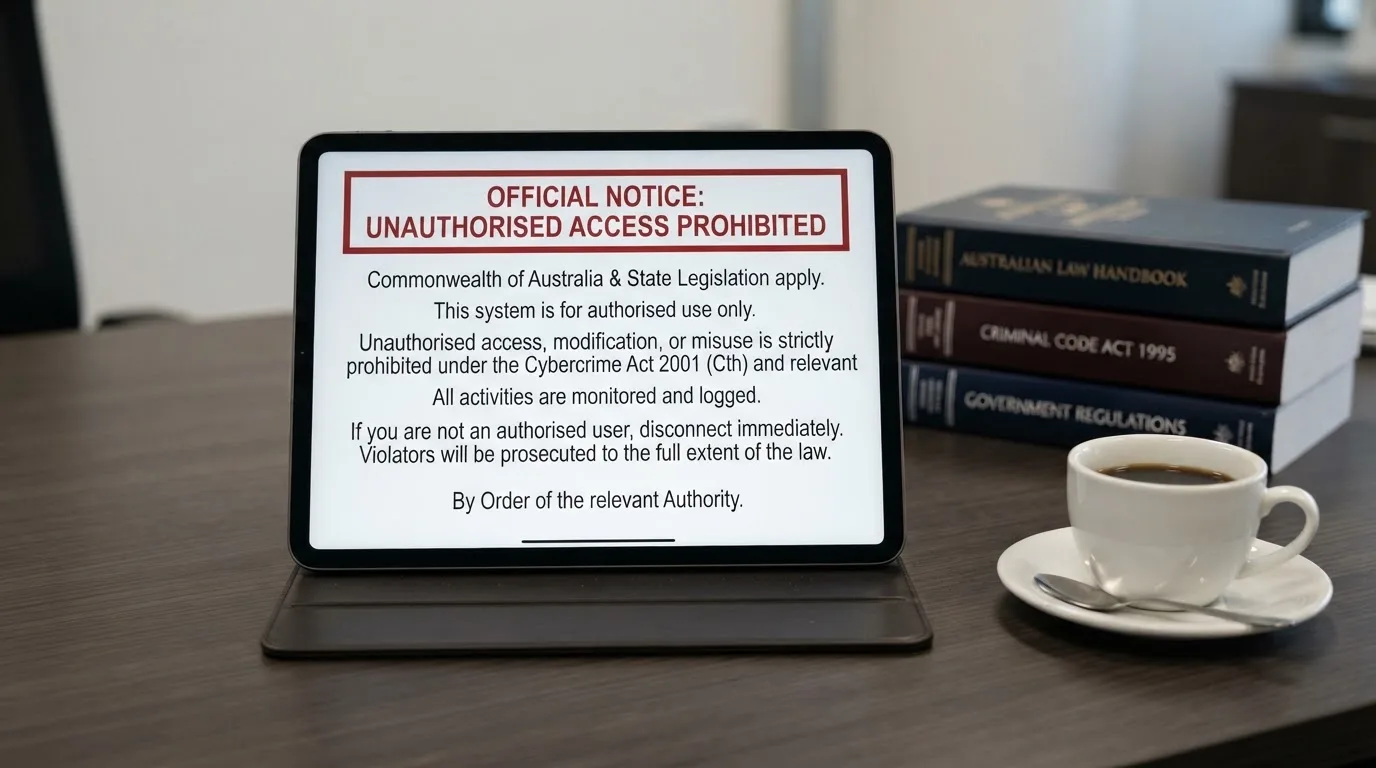
The support side is built around the assumption that the reader, having seen the offer, may still decide not to take it, or may decide to take it and then want a way out. BetStop, the National Self-Exclusion Register, has been live since August 2023 and binds Australian-licensed online and phone wagering services. An offshore casino offering a no-wager bonus is not connected to it. The exclusion the reader can register does not extend to the operator the offer comes from. That gap is deliberate: BetStop cannot enforce against entities it does not licence.
The National Gambling Helpline is 1800 858 858, free, twenty-four hours a day, with chat at Gambling Help Online. These services are for the situation in which a bonus has stopped being a transaction and started being a problem. The page is not the place to dwell on that, but it would be dishonest to describe how inducements are marketed without naming the off-ramp.
Bank-side gambling blocks are part of the same picture, and they sit closer to the payment flow this page covers later. Westpac’s block works at card level, refusing authorisation on transactions registered under the merchant category code “Betting/Casino Gambling” on eligible personal credit and debit cards. ANZ’s equivalent, activated in the ANZ app, blocks gambling transactions made through a digital wallet such as Apple Pay on an eligible card, not only on the physical card. Once ANZ’s block is on, removing it requires a forty-eight-hour waiting period, and the bank’s own page warns that not all gambling transactions will be blocked and that some non-gambling transactions might be blocked in error. Commonwealth Bank lets customers apply a gambling lock via the CommBank app with the same caveat.
These are tools a reader can use whether or not the bonus is wager-free. They are the practical version of the responsible-gambling principle applied to a market that includes products the Australian regulator cannot reach.
Crypto and the No-Wager Promise: Why the Coin Does Not Change the Geography
Crypto casino marketing leans hard on three words: anonymous, fast and provably fair. A no-wager crypto bonus slots into that pitch neatly — the coin moves outside the banking system, the bonus clears on the spot, and the reader is told there is no paper trail. None of those three claims, taken at face value, addresses the question an Australian reader actually has.
Australia’s restriction on credit cards and credit-related products for licensed online wagering, in force since 11 June 2024, sits alongside a separate prohibition on digital currency as a payment method for the same services. Penalties for licensed operators that breach the rule run to A$247,500. The point is that the legal category of payment is regulated independently of the legal category of product. Crypto does not move an offshore casino into the licensed column. It does the opposite, because a licensed Australian operator cannot lawfully accept the coin.
The AUSTRAC threshold-transaction-report rule, which requires reporting of transfers of A$10,000 or more, applies only to physical cash. Ordinary electronic bank transfers are not subject to that per-transaction reporting requirement regardless of the amount sent. A reader who hears that crypto is “untraceable” should hear two facts at the same time: a licensed Australian wagering service cannot accept it, and an offshore casino offering a no-wager bonus is already outside Australian reach. The coin does not give the reader protection the operator has stripped away. It gives the operator a payment channel the regulator cannot easily watch.
A crypto casino “no deposit bonus no wager” pitch, in other words, is the same offshore offer with a different rail attached. The wagering mathematics is gone, but the prohibition on the underlying product is unchanged. The marketing reads cleaner; the legal position does not shift.
Payments and Payout Speed: What the Background Methods Actually Do
The payment methods a no-wager page mentions are not the reader’s deposit path at an Australian-licensed operator, because the licensed operator runs wagering on races and sport rather than casino games. They are the deposit paths the offshore casino offers, framed as background information.
The Reserve Bank of Australia’s July 2025 review of merchant card payment costs proposes removing surcharges on eftpos, Mastercard and Visa card transactions, and it explicitly leaves American Express outside the scope of that proposed ban. Amex itself sits in a different network structure — a three-party scheme that traditionally issues cards and processes transactions itself, having started life in 1850 as a freight-forwarding company before launching its first charge card on 1 October 1958. For the reader at an offshore casino, the relevant fact is simpler: Amex acceptance at a site not licensed in Australia is a routing decision by the offshore operator, not a regulatory endorsement of the site.
Digital wallets are the more interesting case because they sit between the reader’s bank and the offshore casino. Apple does not charge fees to consumers for using Apple Pay in stores, online or in apps; any surcharge comes from the merchant’s own card-processing fees, not from Apple. Transaction limits and PIN requirements for Apple Pay purchases are set by the card issuer or merchant, not by Apple. The credit-card prohibition on licensed Australian wagering therefore constrains Apple Pay at licensed operators, since the wallet is feeding off a credit instrument. By the end of 2025, Apple Pay, Google Pay and Samsung Pay transactions collectively accounted for around 45% of all card payments in Australia by number, so the constraint is a meaningful one.
Bank-side gambling blocks extend to digital wallets, as already noted. ANZ blocks gambling transactions made through Apple Pay on an eligible card. The reader who has turned that on cannot route past it via the wallet. Offshore casinos are not connected to that switch either, but the block does cut off the funding side at the issuing bank.
PayID and Osko, sitting on Australia’s New Payments Platform, are the payment rails that matter most for this page because they are the ones a reader at a licensed wagering service actually uses. With Osko, a bank transfer between participating Australian banks arrives in under a minute, twenty-four hours a day including weekends, whether it is addressed to a BSB and account number or to a PayID. Paying to a PayID shows the name of the account holder before the transfer is sent, and AP+ warns that being asked to transfer money to a PayID on an illegal gambling site almost certainly means a scam site. PayID-based instant transfers are available at over one hundred Australian financial institutions, and more than twenty-five million PayID identifiers were registered on the New Payments Platform as of April 2025.
The New Payments Platform itself became accessible to the public on 13 February 2018 and is owned by New Payments Platform Australia Ltd, a non-profit company whose thirteen shareholders include the Reserve Bank of Australia and the country’s major banks. Participants must keep the platform’s monthly outages to no more than two minutes. In 2021 the ACCC authorised the merger of NPP Australia with BPAY and eftpos into a single company, Australian Payments Plus.
BPAY sits next to that as the bill-payment rail. The payer enters the Biller Code and the Customer Reference Number printed on the bill. BPAY has operated in Australia since 1997, is available in the online banking of over one hundred and forty banks and financial institutions, and is offered by over ninety-five thousand businesses. It is run by Australian Payments Plus, the same operator as PayID and Osko. BPAY was launched on 18 November 1997 and is owned equally, via parent company Cardlink Services Limited, by Australia’s four major banks: ANZ, Commonwealth Bank, National Australia Bank and Westpac.
For the reader, the picture that emerges is that the Australian-built instant-payment rails are designed for licensed services and inter-bank transfers, with consumer protections built in. The crypto rail and the offshore credit-card rail operate outside that frame. The “instant payout” an offshore casino advertises on a no-wager bonus is not the same mechanism as Osko. It is, at best, an internal ledger entry at the operator, with whatever delay or refusal the operator decides to apply.
Bonuses and Free Spins: How a No-Wager Offer Is Actually Built
A “no wager casino bonus” in the marketing sense means the bonus balance is paid in cash, not in bonus funds that have to be turned over. The closest licensed equivalent in spirit is a small cash-back offer at a sports bookmaker, where winnings from a free bet are returned as withdrawable cash rather than as further bonus money. The mechanical distinction is real.
Three shapes show up most often. The first is a no-deposit bonus: a small amount of bonus cash, or a handful of free spins, credited for simply registering an account. The second is a deposit-gated bonus, where the no-wager element is layered on top of a matched deposit, usually at a smaller match percentage than a standard bonus because the operator is foregoing the playthrough revenue. The third is a free-spins package with no wagering on the spin winnings, sometimes with a maximum-cashout cap that does the work the playthrough would have done.
The free-spins variant is where the marketing line and the small print most often disagree. A “no wager” free-spin offer can still carry a maximum cash-out cap of, say, A$100 on winnings from the spins, a list of eligible games that excludes the high-RTP titles, a minimum deposit before withdrawal, or a single-game restriction on what the winnings can be played through before withdrawal. None of those are wagering requirements, technically. Each of them is doing the same economic job, which is putting a ceiling on what the reader can walk away with.
A genuinely wager-free bonus differs from one with a hidden maximum cash-out cap in four places. The bonus terms state no playthrough anywhere. The maximum withdrawal is either unlimited or set at a multiple of the deposit rather than a fixed low cap. The eligible games list is broad rather than restricted to a handful of low-RTP slots. And the operator is identifiable, licensed somewhere with a working complaints body, and discloses the bonus terms before the account is opened rather than after.
A “low wager” offer, by contrast, is a different product from a “no wager” one even when the marketing words blur them together. A ten-times playthrough is not the same as zero times. It changes the expected loss on the bonus by an order of magnitude. The reader should treat the two as separate offers and price them separately, because the operator almost certainly does.
Comparing Offshore No-Wager Claims: How the Public Picture Lines Up
Eleven brands appear in the table below because the ACMA itself has moved against each one for offering prohibited services to Australians. The comparison is not a ranking. It is a side-by-side of the public record, so a reader can see what the regulator has said about each brand and how it sits with what the marketing says. None of the eleven is an Australian-licensed operator; none can lawfully offer online casino games to a person in Australia. The licences they display on their footers, where they display them, are licences issued by other jurisdictions and do not change the Australian position.
| Brand | ACMA action and date | Operator named by the ACMA | Subject support |
|---|---|---|---|
| RocketPlay | Formal warning, March 2026 (Pulsup Ltd); earlier May 2022 (Dama N.V.) | Pulsup Ltd; earlier Dama N.V. | — |
| Level Up Casino | Formal warning, May 2022 | Dama N.V. | — |
| Woo Casino | Formal warning, March 2025 | Dama N.V. | No data |
| Spirit Casino | Formal warning, May 2025 | Dama N.V. | No data |
| National Casino | Formal warning, July 2025 | Consolutetish S.R.L. | — |
| Bizzo Casino | Formal warning, July 2025 (Consolutetish); earlier 2022 (TechSolutions) | Consolutetish S.R.L.; earlier TechSolutions (CY) Group Limited and TechSolutions Group N.V. | — |
| Ignition Casino | Formal warning, July 2025 | Bamboo Media | No data |
| Instant Casino | Formal warning, February 2025 | EOD Code SRL | — |
| Jackbit | Formal warning, April 2026 | Ryker B.V. | No data |
| Casino Intense | Formal warning, April 2025 | Sterplay Holding Ltd | — |
| Sky Crown | Formal warning (Hollycorn N.V.) | Hollycorn N.V. | No data |
A few patterns are worth naming, because they appear on the marketing pages of brands that have no data on the subject either. The first is operator reuse: Dama N.V. is the named entity behind three separate brands on this list — Rocketplay, Level Up, Woo Casino and Spirit Casino across two separate ACMA actions — and Consolutetish S.R.L. is the named entity behind both National Casino and Bizzo Casino. A formal warning is not a finding of wrongdoing the operator has to admit; it is a notice from the regulator that further conduct may attract civil penalty proceedings. The pattern, though, is that the operator structure behind these brands is thinner than the brand list suggests, which matters because the legal personality that takes the warning is also the legal personality that holds the player balance.
The second is the gap between licence. The fourth column of the table is the subject-support field from the underlying record, kept as the no-data marker where the source material carried nothing. A dash there means the listings that exist around the brand were the only sources the research had access to, and the research did not turn up an Australian-facing fact about the brand’s no-wager bonus support. The reader should read those dashes as the research having nothing to report, not as the brand having nothing to offer.
The third is that the ACMA’s formal-warning list is a snapshot of action taken, not a comprehensive list of prohibited sites. The Authority has asked Australian ISPs to block 1,751 illegal gambling and affiliate marketing websites since the first blocking request in November 2019, and more than 230 unlicensed gambling services have left the Australian market since enforcement was strengthened in 2017. The latest reported round alone, on 26 June 2026, added twelve more sites to the blocking list: 7Signs, ChromaBet, Donbet, Duospin, Freshbet, Slots Gem, Jacks Club, Lucky Start, Pointsbetz.com, Spinrise, Vinyl Casino and Wildsino. None of those twelve is in this article’s featured set; they sit here as the volume behind the regulator’s workload.
The Blocking Cadence in Context
The arithmetic the regulator’s record invites is the rate at which new prohibited sites have entered the Australian blocking pipeline since the regime’s first request. With 1,751 sites blocked since November 2019 and that first request as the start point, the cumulative count has grown over the period to a recent round that adds twelve at a time. The exact rate depends on which window you measure over, because enforcement did not run at a constant tempo across those years. Read as a band rather than a single figure: between the first blocking request in November 2019 and the 26 June 2026 round, the ACMA’s cumulative blocking tally grew to 1,751 sites, which is somewhere in the order of two hundred and sixty to three hundred new blocks a year averaged across the full period, with year-on-year variation driven by how many investigations the Authority had open and how many ISPs the blocking direction covered at a given moment. The lower end of the band corresponds to the slower early years after the 2017 amendments; the upper end corresponds to the post-2023 cadence once the Authority’s enforcement infrastructure had matured and the legal reform path was clearer.
The block is a tool, not a verdict. A site the ACMA names in a blocking direction has been investigated to the point where the regulator is satisfied the site is offering or advertising prohibited interactive gambling services to Australians. The Authority is not making a finding of criminality, and it is not freezing player balances or authorising refunds. The site is taken out of reach for customers whose traffic is routed through the ISPs the direction covers. Customers on other routing paths, or accessing via VPNs that defeat the block, are not affected.
What the cadence shows, taken at the level of a band, is that the inflow of new prohibited sites has been steady enough that a reader who relies on a single recommended-brand list will be reading a list that is months out of date by the time it reaches them. That is the structural reason the operator reviews below each carry a date and an operator name rather than a simple “this site is unsafe” label: the picture changes, and the page is more useful if it shows what changed when.
Operator Reviews: The Public Record, Brand by Brand
The eleven brands below are reviewed in the order set by the ACMA’s own list, because that order reflects the regulator’s own sequencing rather than any editorial ranking. Each entry names the operator the ACMA named in the warning, the date of that warning, and where the public record carries an earlier warning for the same operator over a different brand. The “subject support” column is kept blank where the underlying record carried nothing the research could verify.
RocketPlay
The ACMA’s most recent formal warning over Rocketplay was issued in March 2026 to Pulsup Ltd, the operator behind Rocketplay.com.au. An earlier May 2022 warning over the brand named Dama N.V. as the operator. The two operator names point at different corporate arrangements behind what the marketing presents as the same brand, which is itself a signal: the marketing surface is steadier than the legal personality behind it. The brand carries no verifiable subject support; the only material the research found was affiliate-listing pages, which describe the offer in marketing terms and not in any audited form. Rocketplay is one of the brands on this list where the operator-rotation history is longest, because the May 2022 warning sits six years before the March 2026 one. The regulator’s position on the brand has remained consistent across two distinct operator vehicles, suggesting the marketing surface is less stable than the legal entity.
Level Up Casino
The May 2022 warning over Level Up Casino names Dama N.V. as the operator, the same operator named in the May 2022 warning over Rocketplay and the March and May 2025 warnings over Woo Casino and Spirit Casino. That Dama N.V. surface covered at least four distinct brand names under the ACMA’s notice in the space of three years, which is the densest cluster in the table. Level Up’s listing-only background means the research found affiliate pages describing the offer but no operator-published Australian-facing material the research could verify. The relevant read for a reader is operator concentration: when a single named operator sits behind several brands, the operator’s relationship with the ACMA is the more useful fact to track than any individual brand’s marketing history.
Woo Casino
The March 2025 warning over Woo Casino names Dama N.V. as the operator. The brand carries no verifiable subject support in the source material. For a reader, what this entry establishes is that Dama N.V. continued to attract ACMA formal warnings well after the May 2022 round, which means the operator has continued to offer prohibited services to Australians through at least one of its brands across a meaningful stretch of time. The “no wager” label on the marketing page does not appear in any of the regulator’s findings.
Spirit Casino
The May 2025 warning over Spirit Casino names Dama N.V. as the operator. Like Woo Casino, Spirit carries no verifiable subject support in the source material. The two 2025 warnings, three months apart, on brands run by the same operator, are the most concentrated recent action on a single named operator in this list. For a reader who sees a “no wager” offer from a Dama N.V.-operated brand, the relevant fact is that the operator has been named by the ACMA more than once across different brand surfaces, and the marketing line about the bonus does not address that history.
National Casino
The July 2025 warning over National Casino names Consolutetish S.R.L. as the operator. The brand carries listings-only support in the source material: research found pages that describe the brand’s offer in marketing terms, including affiliate pages and gambling-industry listings. National Casino is also one of two brands on this list operated by Consolutetish, the other being Bizzo Casino. The ACMA’s July 2025 round acted against both brands, on the same date, naming the same operator — essentially, the regulator’s stance attaches to the operator group rather than to the individual brands.
Bizzo Casino
The July 2025 warning over Bizzo Casino names Consolutetish S.R.L. as the operator. An earlier 2022 warning named TechSolutions (CY) Group Limited and TechSolutions Group N.V. as the operators behind the brand, with the ACMA’s separate formal warning publication covering that earlier action. The brand carries listings-only support. Two operator vehicles across three years is the relevant pattern for a reader: the marketing surface has been steadier than the legal personality behind it. The most recent operator named by the ACMA is Consolutetish S.R.L., and that is the name a reader should anchor on.
Ignition Casino
The July 2025 warning over Ignition Casino names Bamboo Media as the operator. The brand carries no verifiable subject support in the source material. Ignition Casino is one of two brands named in the July 2025 round on which the operator differs from the more common Dama N.V. and Consolutetish S.R.L. appearances — Bamboo Media appears here and not elsewhere in this list. For a reader, the relevant read is that the operator behind Ignition Casino is distinct from the others on this list, and the brand’s relationship with the regulator runs through that single named entity.
Instant Casino
The February 2025 warning over Instant Casino names EOD Code SRL as the operator. The brand carries listings-only support: research found marketing and affiliate pages that reference EcoPayz and PayID as payment methods the brand mentions. PayID, as covered earlier, is a rail that is built for Australian instant transfers and that explicitly warns users about being asked to send money to illegal gambling sites. A brand that surfaces PayID in its marketing and is also the subject of an ACMA formal warning is, by construction, asking an Australian reader to use a payment rail the rail’s own operator warns against for that use.
Jackbit
The April 2026 warning over Jackbit names Ryker B.V. as the operator. The brand carries no verifiable subject support. Jackbit sits in the most recent ACMA warning round on this list. Ryker B.V. also appears as the operator named for CasinOK in the same April 2026 round. For a reader, the relevant pattern is the same one that runs through the other multi-brand operators on this list — a single legal personality behind more than one brand, with the regulator’s action naming both.
Casino Intense
The April 2025 warning over Casino Intense names Sterplay Holding Ltd as the operator. The brand carries listings-only support: research found marketing and affiliate pages that reference AUSTRAC and BetStop. AUSTRAC is the regulator for anti-money-laundering and counter-terrorism financing compliance, and BetStop is the National Self-Exclusion Register — both of which are markers that a brand is positioning itself as a regulated or responsible offering to Australians. That positioning sits alongside the ACMA formal warning, because BetStop does not bind offshore casinos and AUSTRAC’s reporting rules do not reach the player at an offshore site in the way the brand’s marketing implies.
Sky Crown
The formal warning over Sky Crown names Hollycorn N.V. as the operator, in a publication covering Sky Crown and Blue Leo. The brand carries no verifiable subject support. Hollycorn N.V. is one of the older operator names on this list; the publication date is September 2022, which puts it earlier than most of the others. For a reader, the relevant read is that the Sky Crown warning is the longest-standing one still active on this list, and that the operator named there is distinct from the Dama N.V., Consolutetish S.R.L., and Bamboo Media clusters that dominate the rest of the table.
The Reader’s Choice: What the Page Adds Up To
The choice a reader faces on a no-wager casino bonus page is not between competing offers. It is between two fundamentally different products that the marketing tends to render in the same vocabulary.
The first product is the licensed Australian wagering promotion. The operator is licensed by the Northern Territory Racing and Wagering Commission or another state or territory regulator, the product is wagering on races and sport placed before the event, lotteries or keno, and the bonus is offered under Australian consumer law with the Australian Competition and Consumer Commission and the relevant state or territory body as the complaints avenue. Wagering requirements, where they exist, are governed by Australian conditions; payment methods are the ones the Australian rules permit; player protection runs through BetStop and the gambling-block tools at the major banks.
The second product is the offshore casino bonus. The operator is licensed somewhere else, the product is online casino games or online pokies, and the bonus — whether labelled “no wager” or not — is offered outside Australian reach. The ACMA may issue a formal warning or a blocking direction; the site may be reachable through some routes and not others; the balance may or may not be withdrawable on the operator’s terms; the player has no Australian consumer protection. The “no wager” label describes the bonus mechanic, not the regulatory standing of the offer.
A reader who wants the first product knows what they are looking for: an Australian-licensed wagering service, a deposit via debit card or PayID or Osko, and a promotion whose small print is governed by Australian conditions. A reader who wants the second product is making a different choice, and the bonus wording is the smallest part of that choice: the bigger part is the absence of recourse if the operator refuses a withdrawal, the absence of a BetStop-style off-ramp if the bonus becomes a problem, and the absence of any Australian regulatory standing for the operator behind the marketing.
A genuinely wager-free bonus at an offshore casino can still be a worse deal than a standard-playthrough bonus at a licensed Australian wagering service, because the comparison is not only about the wagering mathematics. It is about whether the bonus winnings can be withdrawn at all, who decides if they cannot, and what avenue exists when the answer is no. The maths is in the reader’s favour on a “no wager” offer in a clean sense, and the procedural position is against them on every other count.
For a reader who has decided to engage with an offshore casino despite the legal frame, the practical advice runs through three steps. The first is to read the bonus terms in full before opening the account, with particular attention to the maximum cash-out cap, the eligible-games list, and any single-game restriction on play-through before withdrawal. The second is to identify the operator behind the brand, not just the brand name, because the operator is the legal personality the ACMA names in a warning, the entity that holds the player balance, and the entity the reader would have to pursue in any dispute. The third is to set a hard ceiling on the amount deposited before the account is opened, because the offshore operator has no Australian self-exclusion mechanism the player can rely on if the decision changes mid-session.
The block-rate calculation earlier in this page — somewhere in the order of two hundred and sixty to three hundred new blocks a year on average since November 2019 — is what makes that third step necessary. The market the reader is choosing into is one in which new prohibited sites enter the Australian pipeline at a steady cadence, and the operator’s relationship with the regulator is the more reliable signal than the marketing on the front page.
Frequently Asked Questions
What does “no wager” actually mean compared with a standard playthrough requirement on a bonus?
A no-wager bonus pays out in cash that the player can withdraw immediately, whereas a standard playthrough bonus is paid in bonus funds that must be turned over a stated number of times before any withdrawal unlocks. The mechanical difference is real, but the legal status of the underlying product is set by whether the operator is licensed in Australia, which the “no wager” label does not address.
Why does a site calling itself a “wager beat casino” come up under a no-wager bonus search?
The phrase is a marketing rebrand of the same offshore-casino offer the rest of this page covers, dressed up with a word the reader is searching for. The brand may carry an ACMA formal warning or a blocking direction regardless of how it styles itself on its landing page. The marketing word does not change the operator’s regulatory standing in Australia, and the player’s recourse if a withdrawal is refused remains the same as for any other offshore casino.
Does a crypto casino’s no-wager bonus avoid Australian wagering law in any way?
No. Licensed Australian wagering services have been prohibited since 11 June 2024 from accepting digital currency as a payment method, with operator penalties of up to A$247,500 for breach, and that prohibition sits alongside the underlying prohibition on the casino games themselves. The coin changes the payment rail, not the legal category of the product, and an offshore casino’s no-wager bonus remains outside Australian reach whether it is paid in fiat or crypto.
How would a genuinely wager-free bonus differ from one with a hidden maximum cash-out cap?
A genuine wager-free bonus has no playthrough anywhere in the terms, an unlimited or deposit-relative maximum withdrawal rather than a low fixed cap, a broad eligible-games list rather than a short one restricted to low-RTP slots, and terms disclosed by an identifiable licensed operator before the account is opened. A bonus that markets “no wager” but caps winnings at a low fixed figure is doing the same economic job as a playthrough, just under a different name.
Is a low-wager casino bonus meaningfully different from a true no-wager one?
Yes. A low-wager bonus still imposes a playthrough multiplier, just a smaller one than a standard bonus, and the expected loss on the bonus is several times larger than on a true no-wager bonus at any plausible RTP. The marketing words blur them together, but the reader should treat them as separate offers and price them on their respective expected-loss bases before deciding which, if any, to claim.
What sign-up steps do sites styled as a “wager beat casino” usually require before any bonus applies?
The standard offshore sign-up flow runs email address, password, mobile number, country, currency, sometimes a bonus code field during registration, identity verification on first withdrawal, and a deposit before any winnings from the bonus can be cashed out. The no-wager label, where present, applies after those steps have been completed, which is why a refused identity verification or a deferred withdrawal still takes the bonus off the table.