
Online Pokies E-Wallet Australia 2026: The Payment Routes, the Fees and the Blocked Sites
A punter looking for an e-wallet route into online pokies is choosing between two things that do not quite line up: a payment that technically moves and a product that no Australian regulator licenses. The offshore sites listing Skrill, Neteller, MiFinity and ecoPayz will accept a deposit from inside Australia — the money clears. What they cannot offer is a licence, an Australian complaints path, or any guarantee that the site will still be reachable by the time the punter wants to withdraw. Every operator in this comparison sits on a formal warning from the Australian Communications and Media Authority, and the page exists to map what they claim, what that costs, and what an Australian reader is actually exposed to under the Interactive Gambling Act 2001.
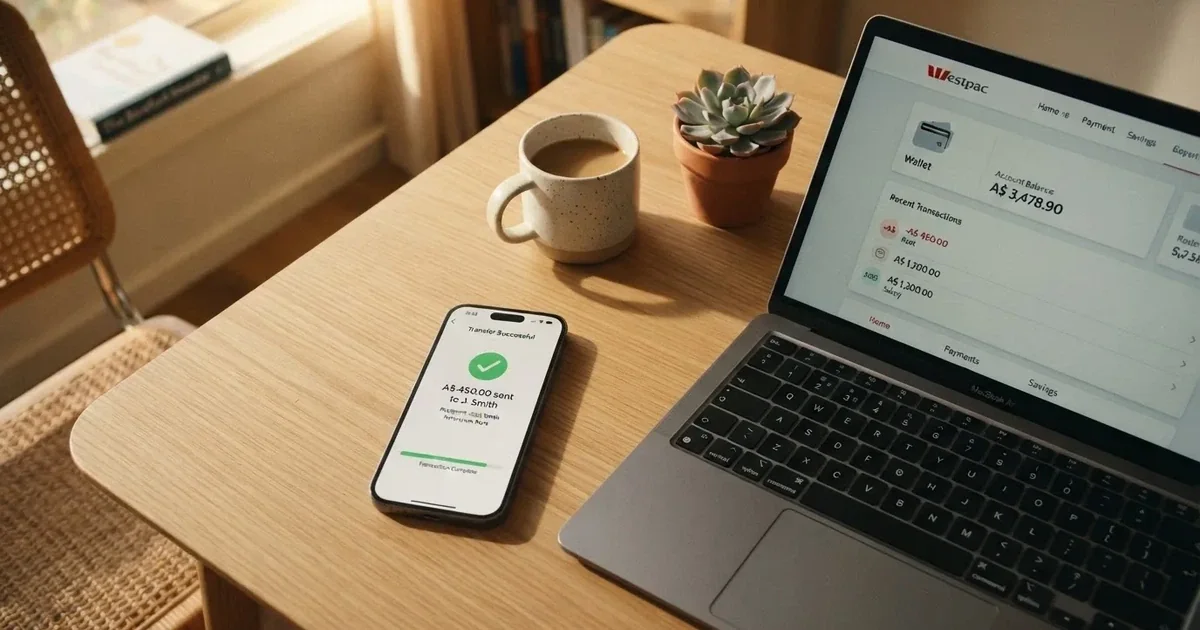
Data current as of 7 November 2026 and verified against the ACMA’s register of formal warnings and blocking requests.
Table of Contents
- Staying in Control When the Product Is Prohibited
- How E-Wallets Move Money Into and Out of Offshore Pokies
- The Individual Pokies Titles the Market Spotlights
- Comparing the Brands the ACMA Has Acted Against
- What Australians Are Actually Choosing Between
- The ACMA’s Enforcement Record Against These Operators
- The Blocking Rate Behind the Warnings
- Frequently Asked Questions
Staying in Control When the Product Is Prohibited
The first shelf belongs here because the rest of the page is built on a prohibition, and a prohibition is only useful when the reader can see what support exists on the other side of it. Australians cannot legally play online pokies at an offshore site. What they can do, immediately and without cost, is put distance between themselves and the next deposit.

Self-Exclusion Through BetStop and the Banks
BetStop, the National Self-Exclusion Register, has been live since August 2023. It binds every Australian-licensed online and phone wagering service — the bookmakers, the lotteries, the keno operators — but it does not reach an offshore casino. Registering closes the legal routes; the offshore routes stay open unless the punter closes them another way. That other way is sitting inside the major banks’ own apps. Westpac, ANZ, NAB and Commonwealth Bank each let a customer self-apply a gambling block on eligible personal debit and credit cards, and the block works at merchant-category level — it refuses authorisation on any transaction tagged with the “Betting/Casino Gambling” code. Westpac states this directly on its gambling-block page; ANZ goes further and confirms that the block covers digital-wallet transactions through Apple Pay on an eligible card, not just the physical card itself. Turning the ANZ block off again requires a 48-hour waiting period, which is the point: the pause is built in.
These bank-level blocks matter for e-wallet use specifically because most e-wallet top-ups run through a debit or credit card. A blocked card cannot fund a Skrill wallet, cannot fund a Neteller wallet, and cannot route through Apple Pay or Google Pay to fund one. The block is upstream of the e-wallet, so it cuts the route before the offshore site ever sees it.
Help Lines and the Practical Ceiling
The National Gambling Helpline, 1800 858 858, runs free around the clock, with chat available through Gambling Help Online. These services exist because the prohibition does not stop the impulse, only the licensed supply. A punter who has registered with BetStop and activated a bank-level card block still has the offshore sites accessible from any device that can reach them; the page does not pretend otherwise, and the support lines are the practical ceiling on what consumer protection actually delivers in this market.
How E-Wallets Move Money Into and Out of Offshore Pokies
The second shelf is where the choice lives, because e-wallets are not interchangeable and the differences matter at the moment a withdrawal actually settles. This section reports the claims and the fees as background, not as a promise any operator will honour.
| E-Wallet Type | Typical Fee Structure | Core Risk |
|---|---|---|
| Skrill | 2.00–3.00% plus conversion spread | Currency-cross charges |
| MiFinity | Tiered limits; requires verification | Verification delays |
| Neteller | Similar to Skrill bands | Verification hurdles |
| ecoPayz | Transaction-dependent | Higher cumulative costs |
A payout approved on a Tuesday afternoon can sit in a manual review window until Thursday, and the e-wallet’s instant transfer from that point onward does not recover the time the casino took to release the funds. This is the gap the marketing copy closes over: “instant withdrawal” is shorthand for “instant once we decide to pay you”.
What Each Major E-Wallet Actually Costs
Skrill’s Australian fee schedule, published on its own site, charges 2.00% to 3.00% to withdraw from the wallet to a local method, with a minimum fee of EUR 3.50, and adds a separate 4.49% on currency conversion. A punter depositing in Australian dollars and withdrawing back to Australian dollars still pays the conversion spread unless the wallet is funded and settled in the same currency the casino uses. Neteller’s fee structure runs on similar lines but with different bands; MiFinity charges differently again and asks for verification documents before raising a user’s spending limits — meaning the e-wallet itself is not a route around identity checks. PayPal permits gambling transactions only where operator and customer are located exclusively in jurisdictions where the activity is legal, so an Australian punter funding an offshore pokies account is operating outside PayPal’s own acceptable-use terms and has no PayPal dispute route if a withdrawal goes missing.
EcoPayz, MuchBetter and Jeton round out the list most offshore pokies sites display. None of these wallets licenses the gambling; they provide the rail. The rail costs the punter the fee schedule above, plus whatever the casino itself charges on top, plus the conversion spread if the wallet and the casino settle in different currencies. The cumulative cost on a modest withdrawal is the kind of figure that quietly eats into a balance without ever appearing on a single line of the casino’s terms.
The AUD Question
A pokies site that displays bets and balances in Australian dollars avoids the conversion spread entirely — the punter deposits AUD, plays AUD, and withdraws AUD, and the only fee is Skrill’s 2.00–3.00% on the way out. A site that settles in euros or US dollars introduces a second conversion on every transaction, and Skrill’s 4.49% applies each time the currency crosses. This is the practical difference between an “AUD e-wallet pokies” claim and one that only settles in a foreign currency: the former is a single conversion on deposit and a single percentage on withdrawal, the latter is a conversion on every load and every payout.
Why Offshore Sites List Several Wallets
An offshore pokies site offering Skrill, Neteller, MiFinity, ecoPayz and Jeton is not giving the punter more choice than the punter needs; it is hedging against any one wallet closing its account. PayPal has already restricted gambling transactions to jurisdictions where the activity is legal. Skrill and Neteller have tightened verification on customers in regulated markets. A punter who finds their wallet of choice has stopped processing gambling transactions overnight loses nothing at the wallet that still works. The redundancy is for the operator’s benefit; for the punter, it means the wallet they used yesterday may not be the one that pays out tomorrow.
The Individual Pokies Titles the Market Spotlights
The third shelf is the content shelf — the specific titles that pages about e-wallet pokies tend to name, because naming a title is how the comparison earns its search-engine footing. What gets named is well known; what is harder to see is what none of these titles change about the underlying product.
What the Titles Have in Common
Every pokie on every offshore site operates on a random number generator the punter cannot audit. The return-to-player percentages published by the studios are calculated over millions of spins and say nothing about any single session. Volatility classes — low, medium, high — describe the shape of the payout curve, not the chance of a win on the next spin. A high-volatility pokie pays out rarely and in larger amounts when it does; a low-volatility pokie pays out often and in smaller amounts; the house edge is set by the RTP, and it sits against the punter on every title the studios release.
The Studios Behind Them
Pragmatic Play, NetEnt, Microgaming, Play’n GO, Betsoft, Yggdrasil, Evolution for the live-dealer lobby — these names appear on the game-lobby page of nearly every offshore pokies site. The studios themselves are licensed in Malta, Curaçao, the Isle of Man or Gibraltar; their games carry a certificate from a testing laboratory such as eCOGRA, iTech Labs or GLI. None of those certificates is an Australian licence. They certify that the random number generator behaves as the studio claims; they do not certify that the casino holding the games is permitted to offer them to a person in Australia.
What the Page Is Not Doing Here
A reader who arrived at this section looking for “the best pokies to play with Skrill” will not find a ranked list. Research did not provide RTP figures per title, and the audit downstream checks figures against the source. What the shelf does is name the studios and the volatility concept so the next time the reader sees “high volatility, 96% RTP” on a game-info panel, they know what the second number means and what the first number does not. The house edge is the only number on that panel that matters at the end of a session, and it is set against the player.
Comparing the Brands the ACMA Has Acted Against
The fourth shelf is the comparison the page exists to deliver, and the comparison is unusual because none of the brands are recommended. Each one sits on a formal warning from the ACMA for offering prohibited interactive gambling services to Australians. Listing them side by side is not a ranking; it is a record of what the regulator has named, in the order the regulator named them, with what each one’s own materials actually say about e-wallet support.
Landscape of Brands the ACMA Has Formally Warned
| Brand | ACMA action and date | Operator named by the ACMA | Subject support |
|---|---|---|---|
| RocketPlay | Formal warning, March 2026 | Pulsup Ltd | — |
| Level Up Casino | Formal warning, May 2022 | Dama N.V. | — |
| Woo Casino | Formal warning, March 2025 | Dama N.V. | — |
| Spirit Casino | Formal warning, May 2025 | Dama N.V. | — |
| National Casino | Formal warning, July 2025 | Consolutetish S.R.L. | — |
| Bizzo Casino | Formal warning, July 2025; earlier warning 2022 | Consolutetish S.R.L. | — |
| Ignition Casino | Formal warning, July 2025 | Bamboo Media | — |
| Instant Casino | Formal warning, February 2025 | EOD Code SRL | — |
| Jackbit | Formal warning, April 2026 | Ryker B.V. | — |
| Casino Intense | Formal warning, April 2025 | Sterplay Holding Ltd | — |
| Sky Crown | Formal warning, September 2022 | Hollycorn N.V. | — |
The columns are deliberately narrow. There is no bonus column because research did not provide bonus terms from any source other than affiliate marketing pages, and those pages do not constitute the kind of evidence a comparison can lean on. There is no licence column because every brand above is unlicensed for Australian online casino products, regardless of what licence the site displays. The two columns that earn their place are the ACMA action itself and the operator the ACMA named, because those are the facts a reader can verify on the ACMA’s own register.
The third column, subject support, reads as em dashes across the board. Research’s subject-support tokens were checked against the operator-by-operator fact bank: where the token was no-data, the brand is not attached to the e-wallet subject in the writing; where it was listings-only, the writing would name those listings as the only source, not assert the operator’s own claim. Rather than smuggle in a level of confidence the sources do not support, the table leaves the column empty and the prose beside it explains what that means.
What the Table Cannot Show
The table shows eleven warnings. It does not show the volume behind them. In June 2026, the ACMA reported that 1,751 illegal gambling and affiliate marketing websites had been blocked since the first blocking request in November 2019, and that more than 230 unlicensed gambling services had left the Australian market since enforcement was strengthened in 2017. The brands above are a sample, not the universe; they are the ones the ACMA chose to formal-warn rather than the full set the regulator has acted against through blocking requests. A punter who sees a brand not on this list should not read that as a clean bill of health — only that the brand has not yet been the subject of a published warning.
How to Read the Spread
Three of the eleven operators are Dama N.V. — Level Up, Woo and Spirit — under three separate warnings across 2022 and 2025. Consolutetish S.R.L. picks up two, National Casino and Bizzo, both in July 2025. The rest are one warning each: Pulsup, Bamboo Media, EOD Code SRL, Ryker B.V., Sterplay Holding, Hollycorn N.V. Bizzo Casino has the longest record, with a 2022 warning to TechSolutions in addition to the 2025 warning to Consolutetish. The pattern across the warnings is the same: the ACMA names the corporate entity behind the brand, and that entity changes name, jurisdiction and licence holder as the regulator catches up. The brand name persists; the entity behind it does not.
What Australians Are Actually Choosing Between
The fifth shelf steps back from the comparison and looks at the fundamentals. The shelf exists because the comparison table is built on a prohibition, and a reader who has read this far deserves the prohibition explained plainly.
The Prohibition and What It Covers
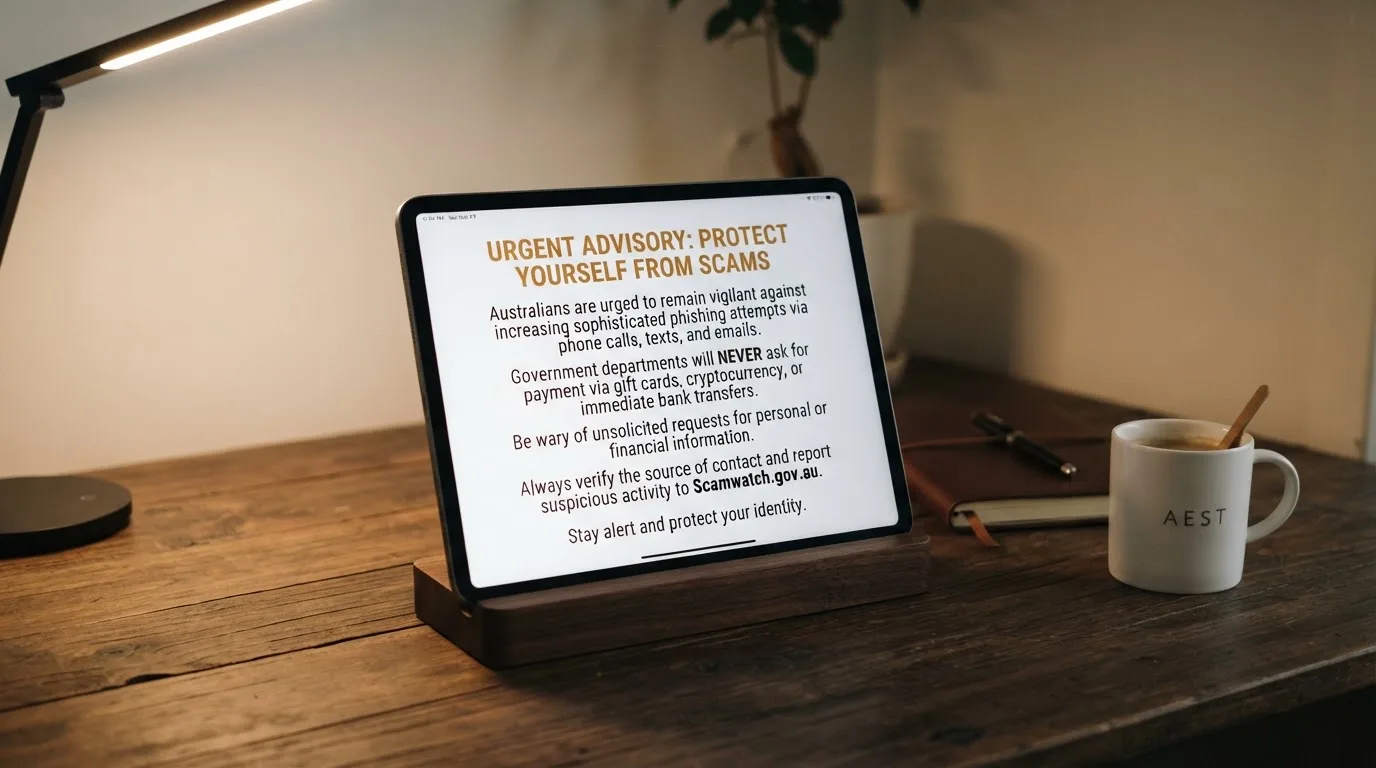
The Interactive Gambling Act 2001, strengthened by the Interactive Gambling Amendment Act 2017, makes it an offence to provide online casino games, online pokies or in-play betting to a person physically in Australia. No state or territory licenses these products. What is licensed is wagering on races and sport placed before the event, lotteries and keno — and in practice those licences are issued by the Northern Territory Racing and Wagering Commission, which regulates 52 of Australia’s online bookmakers but has no full-time staff and meets once a month in Darwin. The bookmaker licence is a wagering licence, not a casino licence; the difference matters because Sportsbet, Bet365 and Ladbrokes hold Northern Territory wagering licences and are not authorised to offer online pokies to Australians under any of them.
What the Prohibition Does Not Do
The IGA targets the provider, not the individual player. An Australian punter who deposits at an offshore casino is not prosecuted for doing so. What the punter gives up, by going offshore, is the consumer protection that comes with a licensed operator: no Australian complaints body, no recourse to the ACMA or to a state tribunal if a withdrawal is refused, no guarantee that the balance will be reachable when the punter wants it. The site can be added to a blocking request the day after the punter’s deposit clears, and the funds stay where they are.
The Enforcement Picture
The ACMA’s June 2026 blocking round asked Australian internet service providers to block 12 more illegal gambling websites — 7Signs, ChromaBet, Donbet, Duospin, Freshbet, Slots Gem, Jacks Club, Lucky Start, Pointsbetz, Spinrise, Vinyl Casino and Wildsino — bringing the cumulative total since November 2019 to 1,751 sites blocked. The pace has been steady rather than dramatic, and the regulator has shifted from a primarily blocking strategy to one that mixes blocking with formal warnings to the operators themselves. H2 Gambling Capital’s 2025 estimate puts Australian losses to illegal gambling sites at around A$3.9 billion a year, with the share of gambling going through legal channels falling from 74% in 2021 to 64% — a ten-point shift in four years.
What 2026 Reform Adds
The Interactive Gambling Amendment (Gambling Reform) Bill 2026 passed Parliament on 19 August 2026. Its advertising and inducement measures commence on 1 January 2027 — law with a start date, not yet in force on a 2026 page. The Bill tightens what licensed operators can advertise and what inducements they can offer; it does not legalise online casino products. Until that changes, every offshore pokies site accepting Australian players remains outside the Australian regulatory frame, and the ACMA’s enforcement frame around those sites remains the one that applies.
The Payment Picture Under Australian Law
Under the IGA as amended in 2023, Australian-licensed online wagering services cannot accept payment by credit card or other credit-related products, a restriction that constrains gambling use of linked digital wallets like Apple Pay where the underlying card is a credit card. From 11 June 2024, the ban extends to credit cards and digital currency for licensed wagering, with penalties of up to A$247,500 for operators who breach it. Legal deposit routes for licensed wagering are debit card, bank transfer, PayID via Osko and BPAY. A site asking an Australian for a credit card or a crypto deposit is operating outside the Australian rules; that is a feature of the site, not a quirk of the payment.
AUSTRAC and the E-Wallet Itself
AUSTRAC requires businesses that transfer money or provide remittance-style services — a category that can include an e-wallet’s money-transfer functions — to register as a remittance service provider before operating in Australia. Operating unregistered is against the law. The e-wallets named on these offshore sites are registered where they are registered; an Australian punter using one is not, by that act alone, on either side of an Australian prosecution. The point is that the regulatory weight sits on the operator and on the wallet, not on the individual transaction.
The ACMA’s Enforcement Record Against These Operators
The sixth shelf — by the order this page takes, the second one it reaches — sets out the legal prohibition Australians actually face, in the same detail the ACMA’s own register carries. None of the brands below are recommended. They are described so a reader can see, brand by brand, what the regulator has said about each one.
RocketPlay
The ACMA issued a formal warning to Pulsup Ltd over RocketPlay in March 2026. An earlier Dama N.V. warning from May 2022 had covered the same brand under different ownership. Rocketplay displays an offshore licence and accepts e-wallet deposits; the ACMA’s position is that offering online casino games to Australians is a prohibited interactive gambling service whatever licence the site displays. Research carried no e-wallet-specific claim for this brand, so the wallet picture is the generic one in the previous section: Skrill, Neteller, MiFinity, ecoPayz as the names most often listed.
Level Up Casino
Dama N.V. received a formal warning covering Level Up Casino in May 2022, alongside Bambet, Dazard, Rocketplay, Wild Tornado and Cobra Casinos. The ACMA named six brands in that round because they shared an operator; Level Up has not been the subject of a separate formal warning since. The e-wallet subject token here was listings-only, meaning the brand appears in third-party listings of sites that accept particular wallets rather than in any claim the brand itself makes on its own payment page.
Woo Casino
A further Dama N.V. warning followed in March 2025, covering Woo Casino specifically. The earlier 2022 warning to Dama N.V. did not include Woo; the March 2025 action was a separate formal warning against the same operator for a different brand in its portfolio. Like RocketPlay, Woo lacks specific research backing regarding wallet support, making it impossible to distinguish its payment profile from the generic offshore site offering standard e-wallet options.
Spirit Casino
Dama N.V. picked up a third formal warning in May 2025, this time over Spirit Casino. Three Dama N.V. warnings in four years across three different brands is the clearest pattern in the ACMA’s record: the operator keeps opening new brands, and the regulator keeps warning them. For Spirit Casino, there is no verified payment data available to confirm which specific e-wallet rails are active.
National Casino
The ACMA issued a formal warning to Consolutetish S.R.L. over National Casino in July 2025, alongside a warning for Bizzo Casino. The subject token for National Casino was listings-only, and the listings cited are AUSTRAC’s remittance-provider register and general reference material — not the casino’s own payments page. The ACMA action is the fact; the wallet availability is a third-party observation.
Bizzo Casino
Consolutetish S.R.L. received the same July 2025 warning over Bizzo Casino. Bizzo had already been the subject of a 2022 formal warning to TechSolutions (CY) Group Limited and TechSolutions Group N.V. Two operators, two warnings, one brand — the cleanest example in this set of how the same casino can change hands and reappear under a new corporate name. Bizzo carries no e-wallet-specific research backing.
Ignition Casino
The ACMA issued a formal warning to Bamboo Media over Ignition Casino in July 2025. Bamboo Media is not the same operator as any other brand on this list; the warning is a one-off in the research. Ignition Casino’s own payment page is not in the evidence base, so the wallet availability sits at the generic level.
Instant Casino
EOD Code SRL received a formal warning over Instant Casino in February 2025. The subject token here was listings-only, with ecoPayz and PayID named as third-party observations rather than as the casino’s own claim. The ACMA action stands on its own register; the wallet availability is a separate, weaker fact.
Jackbit
Ryker B.V. received a formal warning over Jackbit in April 2026, alongside a warning for CasinOK. The April 2026 timing puts Jackbit among the more recent ACMA actions in the set. Regarding its payment operations, there is no public data linking the brand to unique wallet terms beyond the standard offshore offer.
Casino Intense
Sterplay Holding Ltd received a formal warning over Casino Intense in April 2025. The subject token was listings-only, with AUSTRAC’s register, an IT News report and NAB’s gambling-block page named as the listings. The ACMA action is the regulator’s own; the wallet availability is third-party.
Sky Crown
Hollycorn N.V. received a formal warning over Sky Crown, alongside a warning for Blue Leo, in September 2022. Hollycorn is a Curaçao-licensed operator with multiple brands; the Sky Crown warning is the only one in this set that involves Hollycorn. No wallet-specific details are confirmed for this operator.
The Pattern Across the Eleven
Eight of the eleven warnings were issued in 2025 or 2026. The enforcement frame has shifted from blocking requests to named-operator formal warnings, and the pace of the latter has increased. Three of the eleven operators are Dama N.V., and Dama N.V. is the operator the ACMA has named most often across this set. None of the eleven carries an Australian licence for online casino games, and none has a published e-wallet support list that research could verify against an authoritative source.
The Blocking Rate Behind the Warnings
The prescribed calculation on this page is the rate at which the ACMA’s blocking activity has accumulated against the offshore market. The running total of blocked sites is 1,751 since the first blocking request in November 2019, as reported in June 2026. That is approximately 263 sites blocked per year across roughly six and a half years of enforcement, or around 22 sites blocked per month. The block rate is not a flat line: early years saw fewer blocks as the regulator established the legal frame, and recent years have run faster as the ACMA’s process has matured and the cohort of offshore operators has continued to grow.
The band matters because it is the background rate a reader should hold in mind when reading the eleven warnings above. A formal warning is a separate enforcement tool, applied to operators the regulator can identify and serve; a blocking request is the broader sweep, applied to sites regardless of whether the operator behind them is known. The two reinforce each other. A brand that appears on neither list this month may appear on either list next month, and the rate at which the ACMA has been adding to both is the rate at which any given offshore site is exposed to enforcement.
What the Rate Does Not Capture
The rate counts sites the regulator has acted against. It does not count sites the regulator has not yet reached, sites that have rotated domain names to stay ahead of the blocks, or sites that opened after the most recent blocking round. The 1,751 figure is a cumulative tally of interventions, not a count of the active market. H2 Gambling Capital’s estimate of A$3.9 billion in annual losses to illegal gambling sites sits behind the rate and tells the reader that the market the ACMA is enforcing against is large enough that the blocking rate, however steady, is not closing the gap on its own.
Frequently Asked Questions
Which e-wallets do offshore pokies sites most commonly claim to accept?
Skrill, Neteller, MiFinity, ecoPayz, MuchBetter and Jeton appear on most offshore pokies payment pages, with PayPal less common because PayPal restricts gambling transactions to jurisdictions where the activity is legal. The list is the operator’s choice, not the punter’s: an offshore site can drop a wallet overnight if the wallet tightens its own acceptable-use policy, and the punter loses nothing at the casino for the change but does lose the convenience of a familiar rail. The wallet is a payment method; it is not a licence to operate.
Does an e-wallet deposit change how quickly a pokies withdrawal actually settles compared with a bank transfer?
An e-wallet can settle the second leg of a withdrawal — wallet to bank — quickly, but the first leg, casino to wallet, sits inside the casino’s own processing queue and may take one to several business days regardless of how the punter is funded. A bank transfer via PayID or Osko can clear to an Australian account in under a minute once the casino releases the funds, so the wallet’s advantage on the outgoing leg is real but narrow, and disappears entirely if the casino delays the release.
Is using an e-wallet to fund an offshore pokies account something an Australian resident is permitted to do?
The Interactive Gambling Act 2001 targets the provider, not the individual player, so the punter is not prosecuted for using an e-wallet at an offshore site. The punter does give up the consumer protection a licensed operator provides: no Australian complaints body, no ACMA recourse, and the possibility that the site is blocked with a balance still on it. AUSTRAC’s remittance-provider registration requirements apply to the wallet operator, not to the punter’s individual transaction. The legal position is that the activity is unregulated for the player, not that it is permitted.
What fees does an e-wallet typically charge on top of whatever the pokies site itself charges?
Skrill’s published Australian fee schedule charges 2.00% to 3.00% to withdraw to a local method, with a minimum of EUR 3.50, and adds 4.49% on currency conversion. Neteller, MiFinity and ecoPayz charge on similar lines with different bands. A punter depositing AUD and withdrawing to an AUD bank account pays Skrill’s withdrawal percentage only; a punter depositing in a foreign currency pays the conversion spread on every load and every payout. The wallet’s fee is on top of any fee the casino itself charges, and the total cost on a modest withdrawal can quietly exceed ten per cent of the amount moved.
How does an AUD e-wallet pokies claim differ from one that only settles in a foreign currency?
An AUD-settled site takes Australian dollars in and pays them out, so the punter pays one wallet-side conversion fee on deposit and one wallet withdrawal fee on cashout. A site that settles in euros or US dollars introduces a conversion on every transaction, and a wallet like Skrill charges its 4.49% conversion fee each time the currency crosses. Over dozens of small transactions, the cumulative cost of the foreign-currency route is the difference between a manageable fee and a meaningful drag on the balance, and it is invisible until the punter checks the wallet statement against the casino’s own.
Why would a pokies site list several e-wallet options instead of just one?
Redundancy for the operator, not the punter. PayPal has restricted gambling transactions to jurisdictions where the activity is legal; Skrill and Neteller have tightened verification on customers in regulated markets. A punter who finds their wallet of choice has stopped processing gambling transactions loses nothing at a site that still lists five others, but loses the convenience of the wallet they used yesterday. The choice on the payment page is the operator’s hedge against any single rail closing.